2024年07月18日 14:56
2024年下半年,除了影像之外,电池将成为手机公司竞争的胜负手
青海湖、金沙江、冰川、蓝海,这四个与水有关的名词是荣耀、小米、一加和vivo对于自己新电池的命名。从2023年开始,它们就对新电池技术进行了预热。
在一众「*** 电池」的背后,除了尚在酝酿中、苹果重金押注的 TDK 下一代固态陶瓷电池方案,包括小米、OPPO 以及荣耀等手机厂商选择了 ATL(新能源科技有限公司)作为下一代硅碳负极电池方案供应商,而 vivo X100 系列搭载名为「蓝海电池」的硅碳负极方案,据传来自宁德时代提供。
长期以来。电池属于智能手机红海竞争中长期被忽视:即使手机厂商从最初的不到 2000 毫安时升级至如今普遍超过 5000 毫安时,但没有换来手机续航的明显提升:其最根本的原因是因为传统石墨负极电池技术陷入瓶颈,难以继续以更低廉的价格获得更高的能量密度。
电池是直接关乎智能手机用户体验的痛点:目前智能手机无论是功耗、影像还是续航,几乎都能从电池这一底层技术取得的突破中受益。
但硅基电池将会彻底改变这种停滞不前的状态:在经过 2023 年大规模的试水后,随着第二代硅碳负极电池逐渐被确定为行业未来发展方向,这种直接竞争的首个高峰,将于 2024 年下半年到来。
即使智能手机行业素有“供应链攒机”的说法,但与手机摄影算法类似,没有哪家厂商会天真到完全将赌注押注在供应链上。
据接近供应链的手机厂商人士介绍,作为主要技术供应商的 ATL 并未采取与某家手机厂商签订独家供货或其他排他性条款,目前手机厂商在 2024 年发布的新品,搭载的均为 ATL 第二代商用硅碳负极电池。
但在当下竞争早已进入深水区的旗舰手机市场,大笔砸钱在电池领域已经是一线厂商的必选项:
为了避免出现自家电池技术“落后一代”的不利局面,一线厂商中包括华(荣耀)米OV,都组建了规模数百人的电池技术团队,致力于在这一关键领域谋求长期发展优势。
目前,硅碳负极电池技术已经进入第二代,以天目先导为代表的头部硅碳负极厂解决膨胀率等瓶颈问题,产业化渐进;2024 年多次在荣耀青海湖电池新闻中出现的美国公司 Group14,也是通过发布新一代气相沉积硅碳材料确立了在硅碳负极电池应用的行业地位,这些行业技术进展的背后都有不同手机厂商的身影。
一家主流手机公司的产品经理向记者介绍:除了确保与上游供应商更紧密的合作,更多测试来让新技术尽可能快的满足商业化需求,同时比竞争对手更了解现阶段硅碳负极电池的性能边界,即使发令枪同一时间打响,手机厂商仍然有机会通过更强的研发测试资源,实现超越竞争对手的态势。
“(你)作为首发厂商投入的越多,你对这个技术的本质就越了解,后续发挥的也就更好。”
归根结底,任何手机厂商都清楚一点:电池作为构成智能手机体验最重要的组成部分之一,电池的各种选择都需要慎之又慎;电池技术如果“翻车”,同样将会对品牌信任度产生巨大冲击:2016 年八月爆发由电池引起的三星 Galaxy Note7 手机全球多起自燃事件,几乎让三星彻底失去的了中国市场。
硅碳负极电池虽然没有此类自燃风险,但目前所谓的“升级”中,隐含着的问题也有伴随爆发的可能:硅基负极电池的电池循环寿命过低成了大规模商用时所要面临的最棘手问题。
虽然有着远高于石墨负极的能量密度,但硅基负极材料的充放电膨胀率同样是前者的 20-30 倍,膨胀率过高会直接导致硅颗粒破碎电极失效,进而导致电池容量迅速降低 —— 即电池寿命衰竭速度远超普通用户 2-3 年的换机周期。
虽然手机规格电池寿命无需车规级电池组那样严格的寿命以及循环次数要求,但同样要保证用户不会因此产生明显的体验降级。
也正是因为电池是构成手机体验的重要部分,因此电池寿命往往也与手机的残值率挂钩,如今手机厂商所标榜的快充技术,曾经也仅因为“快充伤电池”这一争议话题陷入激烈争议。
为了不让技术升级的同时给现有的电池寿命带来太过明显的寿命衰减,手机品牌经历了数年的探索后,在 2024 年的旗舰手机上不约而同选择了碳硅负极材料作为当前阶段的最终回答。
在 2021 年前后,智能手机厂商也曾通过与 ATL 合作,短暂掀起过一波通过采用硅氧负极电池技术来提升电池能量密度的解决方案,包括小米等厂商已经在当年的旗舰手机系列上得到应用,但这一技术路线最终并未成为主流选择。
据长期关注硅碳负极电池领域的分析师介绍,硅氧负极电池技术相对成熟但上限较低,长期来看并没有如同硅碳负极能量密度指数级增长那样庞大的技术发展空间,因此上游技术供应商与手机厂商目前均已形成共识,2023 年开始逐步推广的手机厂商的新电池技术,无一例外均基于硅碳负极的技术路线。
但 2023 年由于产能与需求等因素,硅碳电池尚未在主流旗舰手机上大规模应用;各家手机厂商虽陆续推出新品,但均通过数款机型“小规模实验”的方式测试了第一代硅碳负极电池,为 2024 年下半年大规模商用铺路。
今年六月发布的一加「冰川电池」,同样采用的是硅碳负极电池技术,与其他厂商同类技术的主要区别在于电池硅含量更高,达到总容量的 6% —— 与今年三月小米公布的「金沙江电池」硅含量相同,同样都是“行业第一”。
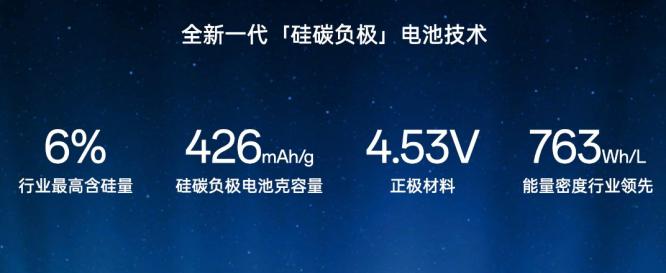
据介绍,当前技术阶段下,随着硅碳含量提升到一定比例之后,即使是相当微小的提升,都会打破现有的平衡,因此首发厂商在这一领域多年探索中取得的经验乃至实际产品应用中的教训,都变得异常重要。
这种竞争伴随着智能手机厂商在技术细节上的最终选型与营销,会在用户端产生巨大的体感差异。
根据目前已经公开的信息,今年年中问世的首批智能手机商用新一代硅碳负极电池在 6100 毫安时的容量下(这已经是当前智能手机中最大的电池容量),体积甚至还能逼 5000 毫安时的石墨电池更小。
这种高兼容性不仅意味着更大的电池容量,同时还意味着“错位竞争”的可能:既有维持现有容量、通过电池体积缩减来降低智能手机整体重量/厚度,也有将容量增至 6000 毫安时、同时追求让手机更加轻薄的中庸方案。
据消息人士指出,目前在欧加集团的产品测试中,甚至已经出现容量超过 7000 毫安时的智能手机,该机型目前定位中端产品线。
这种竞争维度并不新鲜,毕竟今年 OPPO 在 K12 系列上已经将外送员对智能手机的需求:长续航、导航精准、防水效果等功能点进行整理,并将其纳入中端产品线的规划中。
相比大部分已经养成充电习惯、对于智能手机极限续航并非硬性需求的用户群,借助电池技术突破进一步让这种定位精准人群的专用机获得更好的体验,已经是被验证过的一条可行之道。
此外,更高能量密度的电池对于现有折叠屏形态手机来讲,也是一次重大升级的机会:Moto Razr 系列首发搭载的联想「星海电池」,能量密度达到了 822Wh/L,目前处于行业内最高水准。
轻薄对于旗舰手机来讲也是老生常谈的话题:小米将于今年下半年发布的小米 15 系列中,就选择了在电池容量接近的情况下大幅降低手机本身的重量,将其中至少一款的重量控制在 200g 以内。
由此可见,随着硅碳电池技术在未来的逐渐成熟,这种差异化竞争同时也会给智能手机用户直接带来更多的产品选择。这些都会在 2024 年下半年的新品发布中展开竞争。
本文来自微信公众号“电厂”,作者:张勇毅,36氪经授权发布。
Silicon-carbon batteries are the next big thing in phones — and Apple and Samsung are quickly falling behind
By Myriam Joire 2024 April 06
This new tech is rewriting smartphone battery rules
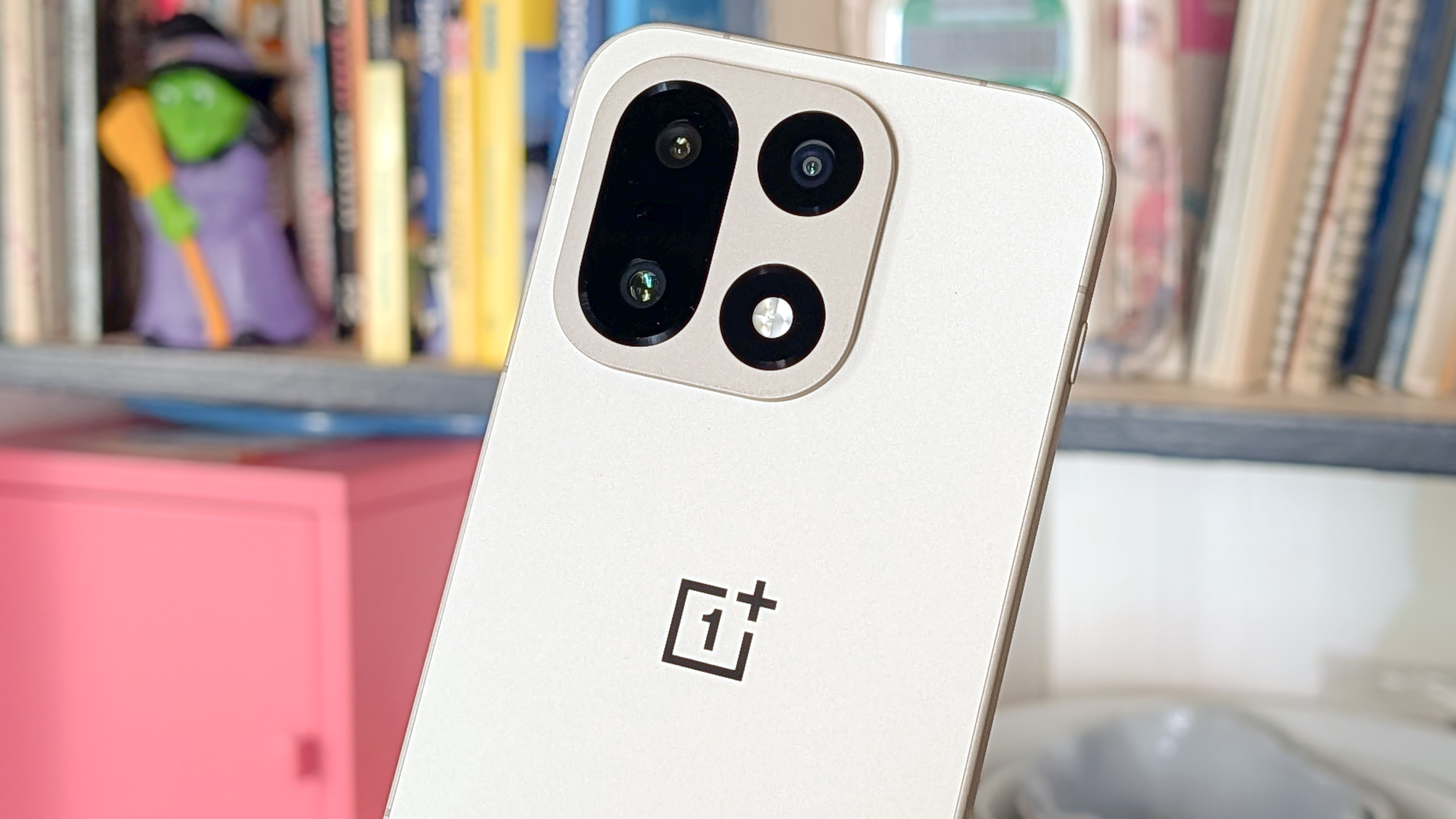
Silicon-carbon (Si-C) batteries are here, and are here to stay. Almost every flagship and mid-range phone made by Chinese manufacturers in the past two years — even those sold in the US (like the OnePlus 15) — now pack fast-charging Si-C batteries with capacities ranging from 6,000mAh (Xiaomi 17 Ultra) to 10,000mAh (Realme P4 Power). Yet Apple, Google, and Samsung have been reluctant to adopt this new battery technology.
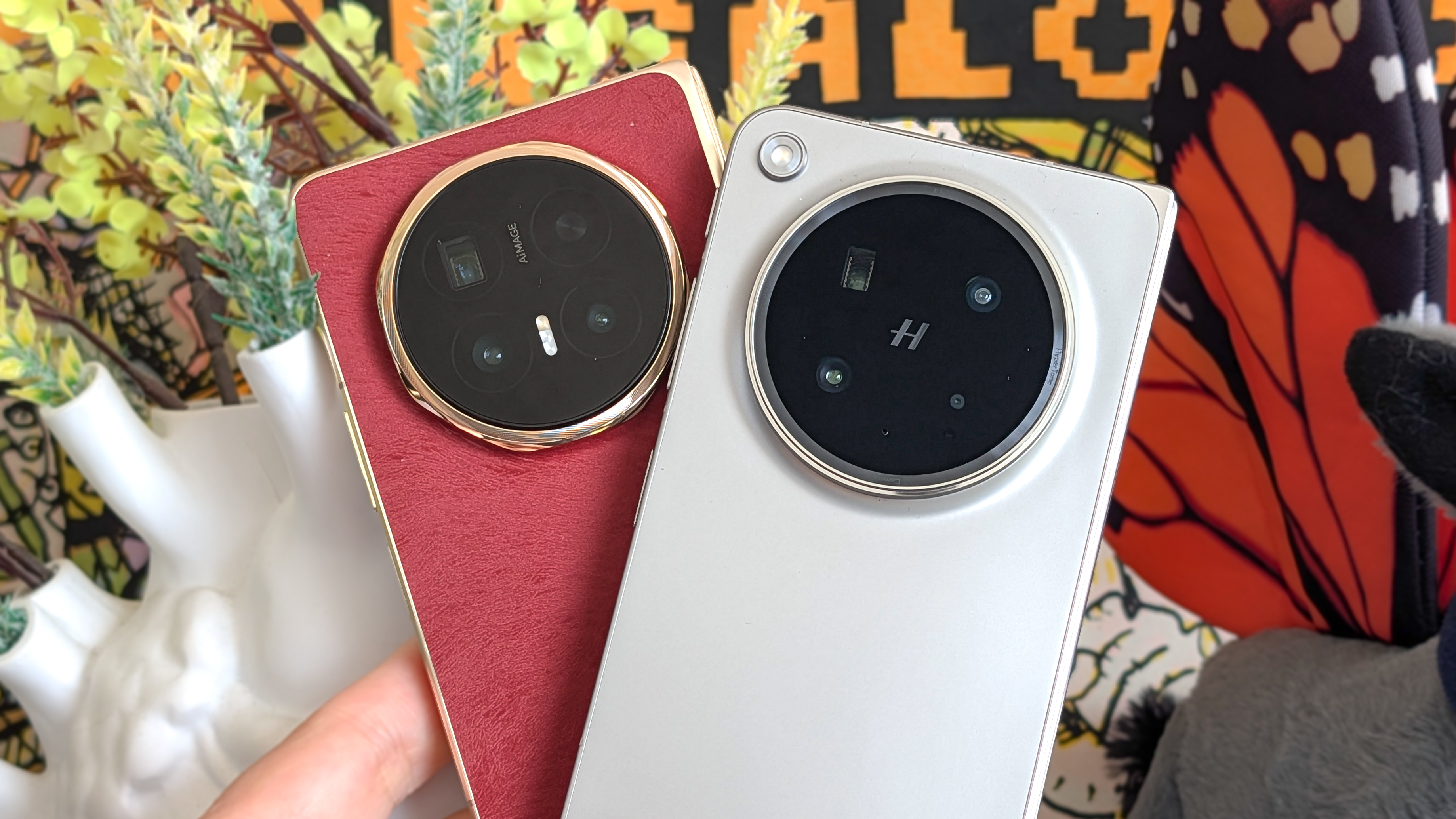
That’s why ultra-thin handsets like Apple’s iPhone Air (3,190mAh) and Samsung’s Galaxy S25 Edge (3,900mAh) deliver merely adequate battery life, while Honor’s 6.1mm thick Magic8 Pro Air (5,500mAh Si-C) easily cruises along for over a day on a charge. It’s the same with many of the best foldable phones. Samsung’s Galaxy Z Fold7 comes with a measly 4,400mAh cell, while Oppo’s Find N6 and Honor’s Magic V6 boast 6,000 and 6,660mAh Si-C batteries, respectively.
Poke around the Internet, and you’ll find a lot of FUD (Fear, Uncertainty, and Doubt) about Si-C batteries. Last year, I asked a Google exec on the Pixel team when Google would start using Si-C batteries in Pixel handsets, and the response I received was — and I paraphrase — that Si-C batteries aren’t mature, safe, or durable. Meanwhile, every Chinese phone I’ve used with a Si-C battery (like Oppo’s awesome Find X9 Pro) has been a revelation.
Because, as it turns out, two-day battery life is a game changer. So what’s going on here? Are Si-C batteries really unsafe? Are durability and longevity an issue? Is there a cost or manufacturing barrier? I decided to go directly to the source and interview experts at Honor, OnePlus, and Oppo about Si-C batteries. I talked to Hope Cao, Honor senior product expert, and Rudolf Xu, senior product marketing manager, OnePlus. Here’s what I found out.
Note: Oppo was unable to participate in this interview because of scheduling constraints (Chinese/Lunar New Year followed by Mobile World Congress). But since OnePlus and Oppo are related companies, it’s safe to assume that OnePlus and Oppo share almost identical Si-C battery technology.
Si-C batteries are mature and improving rapidly
It’s pretty clear that standard Lithium-ion (Li-ion) cells with traditional graphite anodes have hit a limit when it comes to energy density. By adding silicon content to the anode, Si-C batteries offer vastly higher capacities in the same physical space. But silicon in anodes expands and contracts a lot during charges and discharges, and is challenging to integrate safely into cells. And that’s where each manufacturer’s secret sauce comes in.
Honor was an early player, delivering the industry’s first Si-C battery in a phone back in 2023, with the Magic5 Pro. The company’s progress has been remarkably aggressive ever since. For the Magic V6’s fifth-generation Si-C battery, Honor and partner ATL were able to achieve 25% silicon content. But the 1TB Chinese market version of the Magic V6 features 32% silicon content, resulting in a folding phone with a massive 7,150mAh battery. As Honor’s Cao puts it, this milestone is “marking the start of the 7,000 mAh era for foldable phones”.
OnePlus joined the party a bit later with the OnePlus 13, which featured 10% silicon content. For its latest flagship, the OnePlus 15, the company’s proprietary Silicon NanoStack design managed to raise the silicon content to a 15% industry high. By combining this with a custom dual-cell architecture, the OnePlus 15 packs a whopping 7,300mAh Si-C battery into a standard candy-bar smartphone footprint.
Si-C batteries are enabling ultra-sleek designs
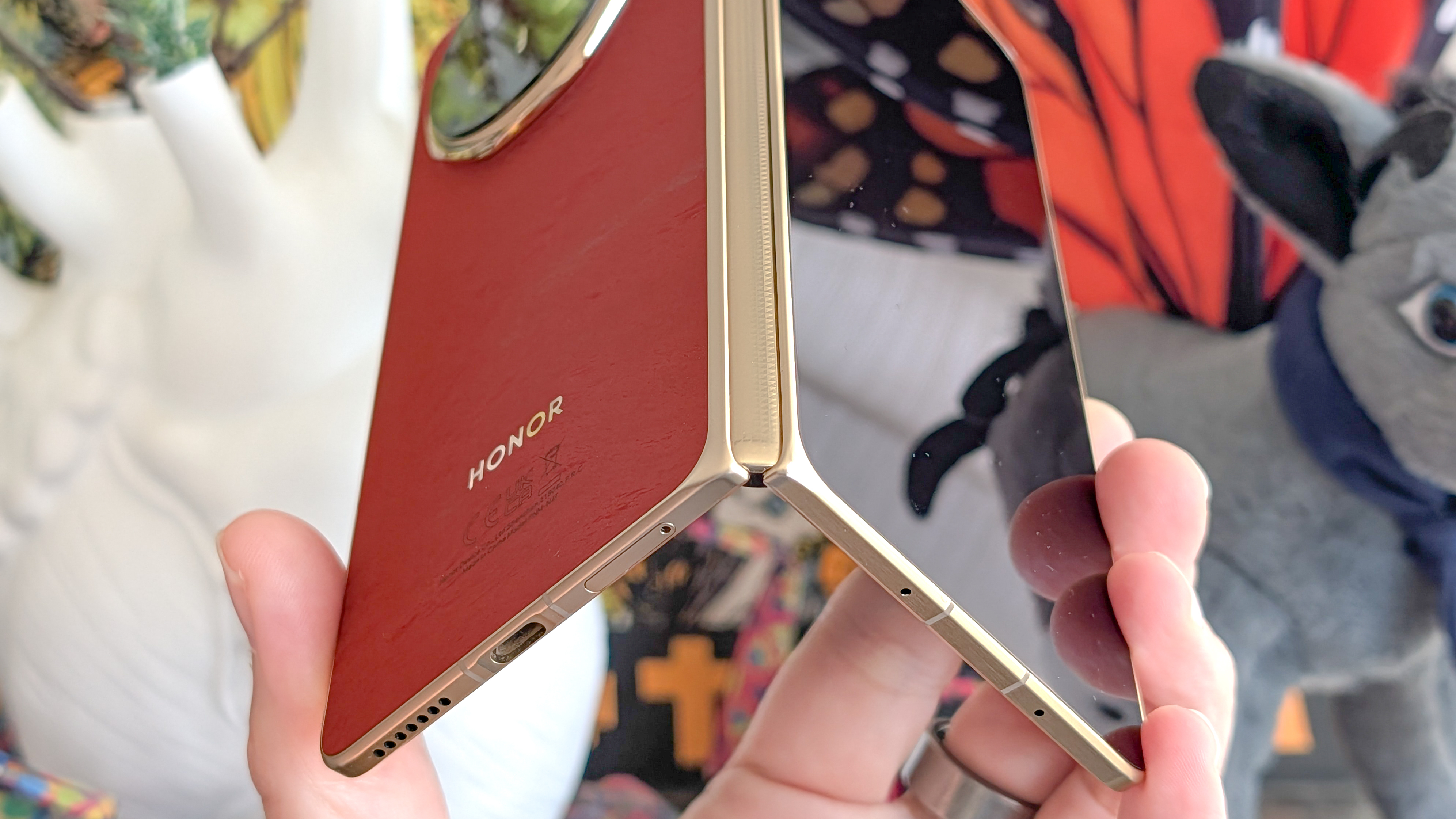
Flagship-level capability does not necessarily require sacrificing a slim, lightweight in-hand experience.Hope Cao, Honor
The most immediate consumer benefit of Si-C batteries is their profound impact on industrial design. Since these cells deliver significantly higher energy densities, manufacturers like Honor, OnePlus, and Oppo are able to offer thinner form factors with outstanding battery life. This also makes Si-C batteries ideally suited for folding phones like the Honor Magic V6 and Oppo Find N6, or ultra-sleek flagships like the OnePlus 15.
For Honor, Si-C batteries are critical to the company’s folding phone strategy. Keeping these devices highly pocketable requires a split battery design with two smaller, thinner cells. Thanks to Si-C batteries, the Magic V6 manages to pack up to 7,150mAh into a chassis that’s merely 8.75mm thick when folded. Honor”s Cao emphasizes that “Flagship-level capability does not necessarily require sacrificing a slim, lightweight in-hand experience.”
OnePlus is focused on using Si-C batteries to improve the look and feel of traditional candy-bar smartphones, noting that consumers are showing a “fresh appetite for compact flagships”. Si-C batteries allow the company to slightly reduce device thickness while greatly increasing battery capacity. As a result, the OnePlus 15, which boasts a 7,300mAh Si-C battery, combines a slim, premium design with industry-leading battery life. It’s no wonder that it has the best phone battery life of any device that Tom’s Guide has tested.
Si-C batteries are more expensive and more difficult to manufacture
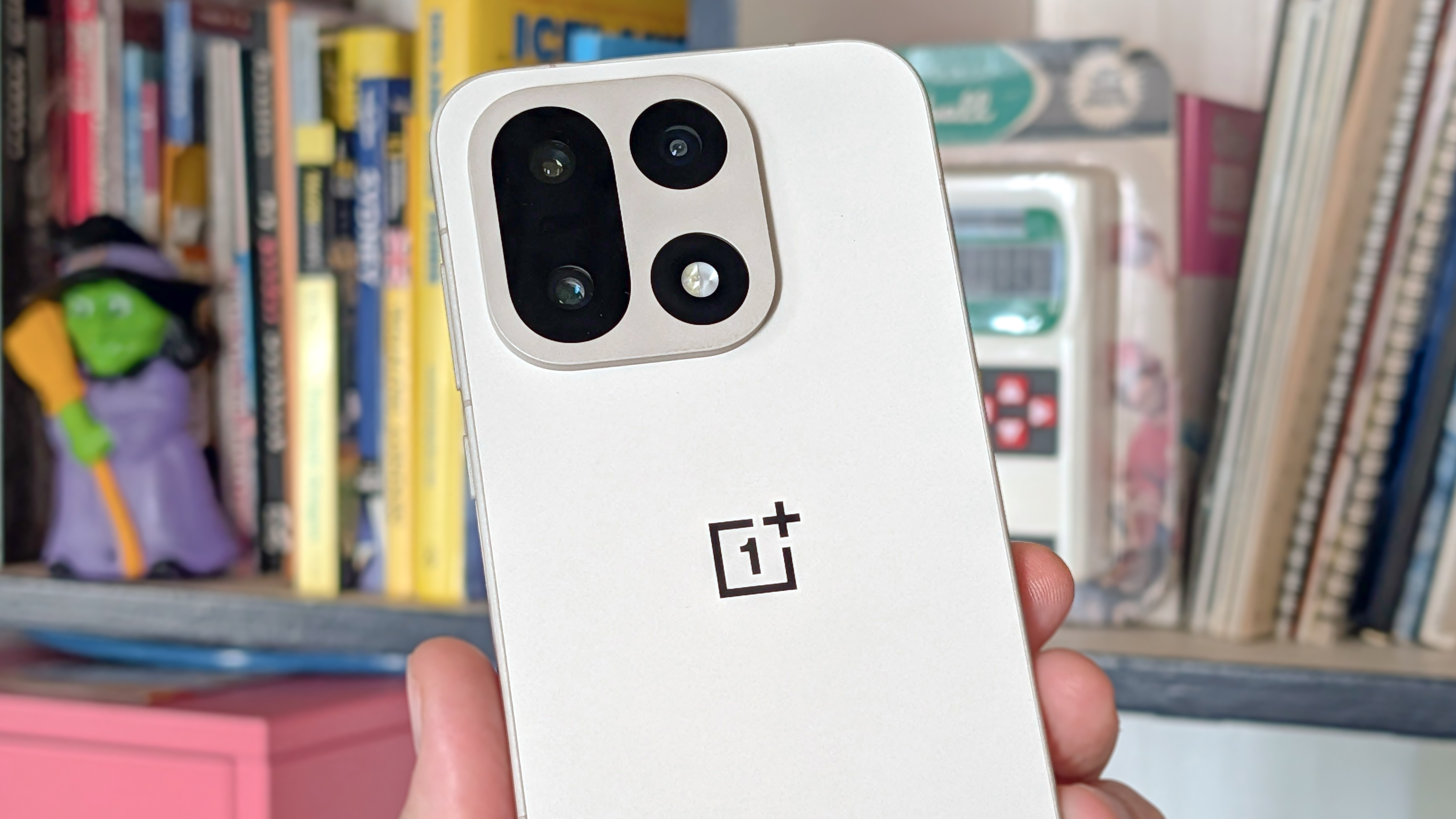
We do not foresee Si-C anode batteries becoming cheaper than conventional graphite-anode cells in the near term.Rudolf Xu, OnePlus
Despite all the aforementioned benefits, the transition to Si-C batteries faces a couple of significant hurdles. As you’d expect, Si-C batteries are fundamentally more difficult to manufacture and more expensive than standard Li-ion cells.
Honor is transparent about the higher cost, and states that Si-C batteries are typically 20% to 40% more expensive to manufacture than Li-ion batteries at the cell level. This premium reflects higher material costs, stricter production environments, and more complex manufacturing processes the company has developed to mitigate the rapid expansion and contraction of silicon in anodes while charging and discharging.
OnePlus also confirms that Si-C batteries are more expensive. Xu is candid about current prices, saying, “We do not foresee Si-C anode batteries becoming cheaper than conventional graphite-anode cells in the near term.”
Si-C batteries require state-of-the-art engineering
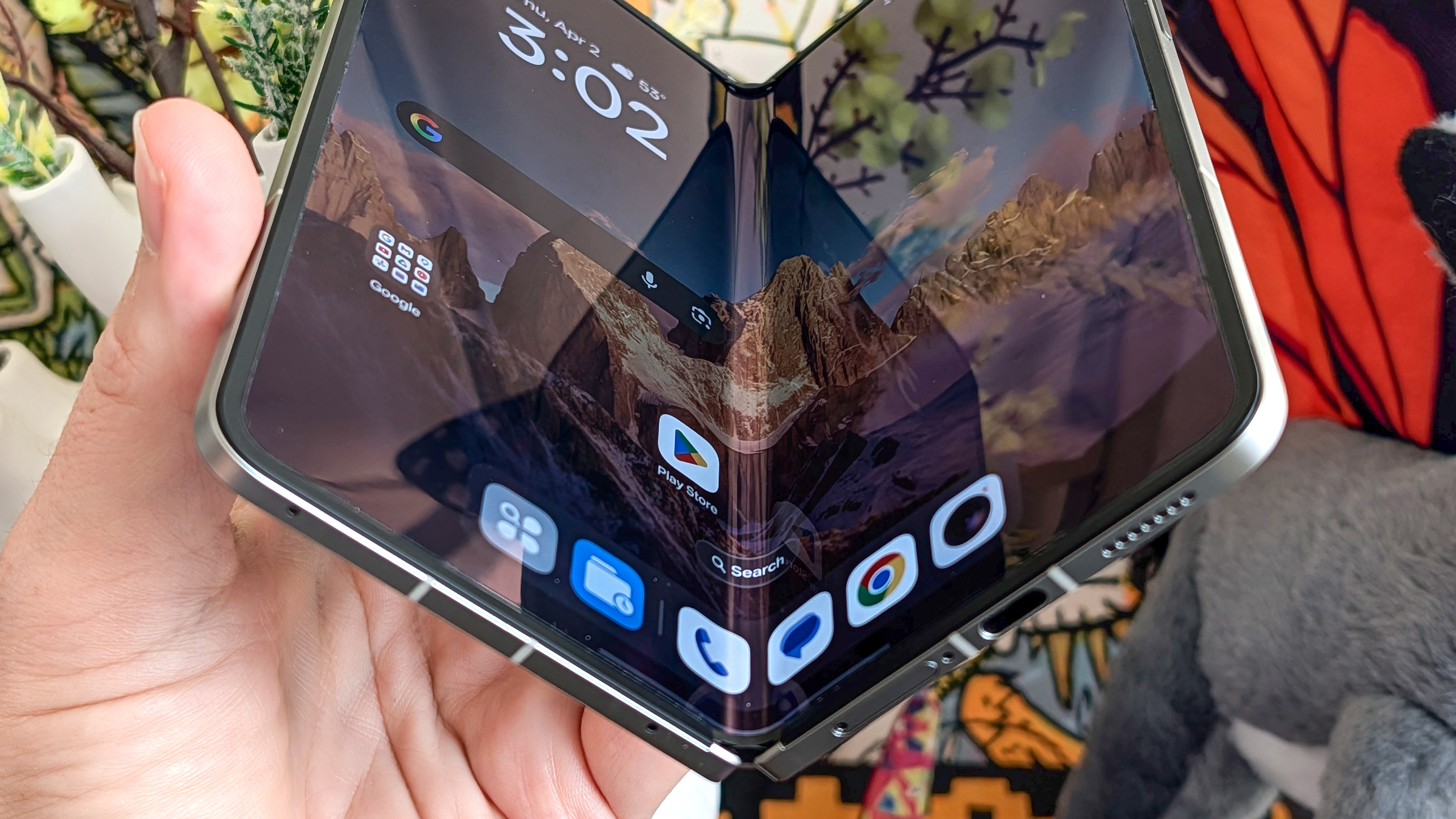
The challenge with using silicon in anodes is its extreme volatility. As the silicon in the anode absorbs lithium ions, it expands drastically, which creates extreme mechanical stress within the cell. Both companies overcome this obstacle in their Si-C batteries through impressive engineering feats.
Honor handles this problem in multiple ways. Cao explains that the company broke away from traditional anode designs “by layering the silicon and graphite systems like a ‘sandwich’.” It also developed a Chemical Vapor Deposition (CVD) process that allows the silicon in the anode to expand in a more uniform way, reducing mechanical stress. Honor also uses a microscopic “spider-silk” adhesive, an elastic binder that keeps the cell’s internal dimensions stable under compression.
OnePlus tackles this issue by using spherical silicon-carbon particles and an aerospace-grade coating that the company developed in house. Beyond the Silicon NanoStack battery itself, the OnePlus 15 uses an AI-based battery management system (BMS) to prevent the cells from degrading over time.
Si-C batteries are safe and durable
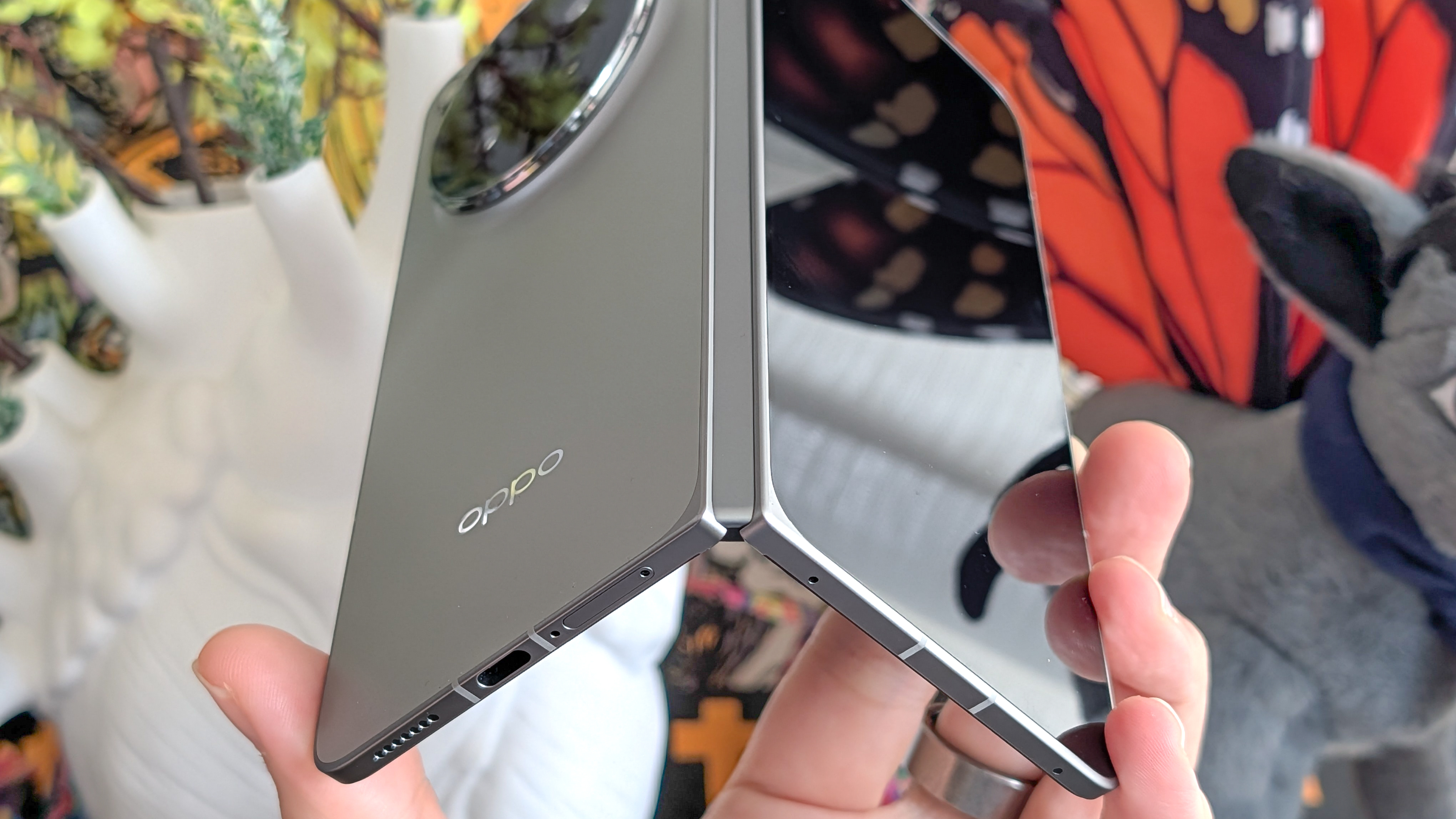
Given how much silicon in anodes expands while charging, and the resulting mechanical stress, both companies have taken exceptional steps to ensure that their Si-C batteries remain safe and durable for years to come. This includes extreme testing that exceeds the certification requirements used for Li-ion cells.
Honor’s testing goes far beyond industry standards. Besides obtaining mandatory CB (IEC 62133), UKCA (UK Conformity Assessed), and CE (European Union) certifications, the company subjects its Si-C batteries to tests in extreme conditions to ensure stability. As Cao notes, “In response to the unique expansion characteristics of Si-C batteries, Honor conducts even more rigorous evaluations, such as puncture resistance tests, extreme stress tests, structural deformation tests, and high-temperature stability tests.”
OnePlus is similarly thorough, and runs more than seventy unique tests on its Si-C batteries. The company evaluates cells in a broad range of temperature, voltage, and stress conditions to make sure its Si-C batteries meet strict durability and safety targets. According to Xu, device longevity is critical to OnePlus, and the Silicon NanoStack battery used in the OnePlus 15 is designed to maintain “over 80% of its original health after 4 years of use.”
Bottom line: two-day battery life for all
So there you have it. After hearing from experts at Honor and OnePlus, two leaders in the field of Si-C batteries, I hope you have a better understanding of what this technology brings to the table — the benefits, the limitations, and the remaining challenges. What’s abundantly clear is that Si-C batteries today aren’t some exotic fad. They are a mature, safe, and durable technology that drastically improves the smartphone user experience, and are here to stay.
With Chinese manufacturers relentlessly marching forward, it’s only a matter of time until Apple, Google, and Samsung join the Si-C battery party. And that’s a good thing, because their manufacturing volume and marketing power will make this technology accessible to everyone — in other words, ubiquitous. After all, who doesn’t want a fast-charging smartphone with two-day battery life?
20260422
生成式AI帶動的算力需求正從雲端一路燒到供應鏈深處:矽陽極電池廠Enovix衝刺手機與軍用市場,後端電力解決方案商Solaris卡位資料中心供電,華爾街資金則湧入科技股、黃金與比特幣ETF。AI狂潮背後,資本開支與風險同樣飆升。
生成式AI橫掃全球後,市場焦點常落在Nvidia、雲端巨頭與ChatGPT,但真正支撐這場「算力軍備競賽」的,還有最底層的電池與電力基礎建設,以及默默調整資金配置的華爾街。從矽陽極電池新創Enovix(ENVX)、專攻「機房自備電廠」的Solaris Energy Infrastructure,到ETF資金大搬風,AI正改寫整條能源與資本鏈條的遊戲規則。
Enovix:用矽陽極電池搶AI手機與軍工大餅
在電池端,Enovix執行長Raj Talluri在最新財報說明中強調,公司核心任務就是把100% active silicon anode電池商業化,鎖定「空間受限、高體積能量密度」的裝置,包括智慧手機、AR/VR、IoT與部分國防與運算設備。第三季營收達800萬美元、年增85%,毛利率21%,雖然仍虧損,但營運效率明顯改善,調整後EBITDA年增約10%。
技術上,Enovix主打的AI-1平台被Polaris Labs認證為智慧手機領域能量密度最高的電池,體積能量密度達900 Wh/L,同時兼具快充能力,被Talluri視為「不只是手機電池,而是一個平台」。公司已與中國手機品牌Honor簽署開發協議,作為領先客戶,目標在2026年推出搭載Enovix電池的旗艦機種。Honor要求電池須通過1000次充放電循環,Enovix為此已完成一次設計迭代,改變化學配方以拉長壽命,預計在今年第四季送出新一輪樣品,2026年上半年有望進入商用。
除了Honor,第二家智慧手機OEM也進入驗證階段,並預期同樣在2026年量產。Talluri表示,第一家手機客戶最難,後續客戶因規格相似,認證流程可大幅縮短。Enovix目前已向全球前八大手機品牌中的七家送樣,並獲得正面回饋。為支應需求,公司在馬來西亞Fab2工廠持續拉升良率與產能,按規劃滿載時單線年產量可達900萬顆電池,2026年被管理層形容為「breakout year」。
AI裝置不只手機,輕量智慧眼鏡與AR眼鏡被Enovix視為「意外加速」的鄰近市場。公司已向10家智慧眼鏡OEM/ODM送樣,為兩種形態產品設計不同電芯:一種是不帶顯示器、以語音互動為主的輕量眼鏡;另一種則是高運算量的AR顯示裝置。Talluri預期,將在2026年CES上與其中一個品牌公開展示成品,意味著AI-1平台有望跨足更多穿戴式終端。
國防市場則是Enovix當前營收的主力之一。韓國工廠今年累計出貨約2000萬美元,大多供應國防與工業客戶,其中包括韓國軍方三大主承包商中的兩家。產品強調高倍率放電、耐低溫、高壓環境可靠性以及60安培小時的大容量電芯,鎖定航空與水下無人載具等高要求應用,未來訂單管線規模約8,000萬美元。這些軍工與工業訂單不僅提供現金流,也讓公司在大規模手機出貨前就能驗證矽陽極架構的可靠性。
為加速量產與擴張,Enovix透過股權與可轉債籌資,第三季完成權證股利計畫,募資約2.24億美元,同時回購5,800萬美元庫藏股;九月再發行4.75%、2030年到期的可轉債,募得約3.03億美元淨額,並搭配多梯度 capped call 結構,盡量降低潛在稀釋。季末現金與有價證券合計達6.48億美元,管理層強調已排除「融資陰霾」,有能力把馬來西亞Fab2建滿,並視情況進行策略性併購。
Solaris:資料中心不等電網,自己蓋電廠
若說Enovix是在解決「裝置端續航焦慮」,那Solaris Energy Infrastructure則是正面迎戰「機房缺電恐慌」。執行長William Zartler在2025年全年財報指出,Solaris已從原本的油氣物流服務商,完成向「整合型電力解決方案」的戰略轉型。2025年公司營收年增近一倍至6.22億美元,調整後EBITDA達2.44億美元,電力事業已貢獻約七成獲利,未來預期將上看九成。
Solaris專精所謂「molecule to electron」,從潔淨天然氣供應、燃氣渦輪發電,到變壓、配電與儲能,一條龍在資料中心園區內自建電力系統,相當於幫雲端巨頭「蓋在機房院子裡的電廠」。公司已與首家大型資料中心客戶成立15年合資企業,長約提供500到900 MW電力。更關鍵的是,2026年二月Solaris又宣布與一間投資級全球科技巨頭簽下10年、附帶5年延長選項的合約,將自2027年第一季起分階段供電,規模逾500 MW,並計畫進一步提供平衡電廠設備、儲能與場址工程服務,換取更高資本報酬。
AI數據中心的資本支出規模驚人。Zartler指出,全球前四大科技公司預估2026年合計CapEx將超過6,000億美元,較2025年成長約70%,幾乎是2024年的兩倍,其中大部分指向資料中心與運算資源。Solaris認為,自備電廠方案相較依賴電網,不僅建置速度更快,從長期來看在某些地區也具有成本優勢,尤其在美國ERCOT等電網系統面臨併網壅塞、排隊案量高達230 GW的情況下,能先「島狀運轉」再視情況接入電網,成為雲端客戶加速上線的關鍵選項。
為了提升系統整合能力,Solaris在2025年收購一家具備電壓分配與控制設備專長的公司HVMVLV,將變壓器、開關設備與電力控制室等製造與工程能力納為己用。公司也在排放控制上布局,內部開發並投資選擇性觸媒還原(SCR)技術,配合美國環保署最新Quad K修訂,延長移動式燃氣渦輪在暫時性應用的合規運轉時間至24個月,等於替「臨時機房電廠」打開更大的合法空間。
Solaris財務體質亦同步升級。公司在2025年透過兩檔可轉債完成再融資,償還到期借款並鎖定較低利率,並為與資料中心客戶的合資專案建立專案融資結構。總裁Kyle Ramachandran表示,按目前已訂購設備,Solaris預期最終可掌握2,200 MW發電容量,若全數上線,保守估計每年可貢獻超過6億美元EBITDA,且現有現金流足以支應既定交貨計畫,未動用額外抵押融資額度。
資金怎麼押?ETF流向透露市場下一步
當實體世界為AI擴建電池與電力基礎設施時,華爾街資金也在悄悄挪位。最新一週數據顯示,追蹤美股大盤的SPDR S&P 500 Trust(SPY)單週吸金35億美元,指數同期間上漲3.5%,顯示投資人對股市風險胃納回升。不過,資金並非只湧向股市,避險與「數位黃金」同樣受捧。
黃金ETF SPDR Gold Shares(GLD)單週流入19.3億美元,金價漲幅約2.43%;白銀ETF iShares Silver Trust(SLV)雖然規模較小,但價格一週勁揚逾7.8%。在加密貨幣部分,現貨比特幣ETF iShares Bitcoin Trust(IBIT)流入9.06億美元,比特幣價格約上漲2.1%。相較之下,美國石油基金USO則出現約3.78億美元資金淨流出,顯示部分資金從傳統能源多頭部位撤出,轉往避險與高Beta資產。
觀察標普11大類股ETF,能源(XLE)與科技(XLK)是最大贏家,分別吸金11.4億與8.76億美元,金融(XLF)亦有7.06億美元流入;公用事業(XLU)與非必需消費(XLY)則見資金淨流出。這種結構透露出一個耐人尋味的圖像:市場一方面押注受惠AI與能源轉型的成長板塊,另一方面也不忘透過黃金與比特幣分散宏觀與政策風險。
AI基礎設施投資的風險與問號
從Enovix到Solaris,再到ETF資金流,AI帶來的是橫跨半導體、裝置、電力乃至資本市場的全面性再定價。不過,風險也同樣不小。Enovix雖然技術指標耀眼,但手機量產時程高度依賴少數客戶認證進度與工廠良率提升,任何一次化學配方調整都可能讓測試週期延長3到4個月;公司本業仍在虧損,6億多美元現金是否足以撐到多條高產線滿載,仍待觀察。
Solaris則面臨政策與集中度風險。其電力專案高度依賴少數雲端巨頭長約,一旦客戶AI資本支出節奏放緩,或監管機構收緊對自備電廠與碳排的規範,都可能影響未來擴張。雖然公司強調自備電廠在時間與成本上的優勢,長期來看,隨著電網擴建與再生能源儲能成本下降,這種「島狀運轉」模式是否仍具壓倒性優勢,仍存在變數。
對投資人而言,當前局勢更像是一場「AI基礎建設大投資」的早期階段。電池供應鏈、機房電力、伺服器與網路設備,乃至背後的資金調度,都在為AI算力鋪路。究竟哪一環能轉化為穩定、高品質的現金流,哪一環又會在技術迭代與政策轉向中被淘汰,仍有待時間驗證。但可以確定的是,AI帶來的不是單一公司的盛宴,而是一場從矽片、電芯到發電機組與ETF資金流的全方位洗牌。
手机品牌经历了数年的探索后,在 2024 年的旗舰手机上不约而同选择了碳硅负极材料作为当前阶段的最终回答
随着电动汽车、移动通信、储能系统等领域的飞速发展,锂电池已成为新能源存储与转换的核心技术。
传统石墨负极材料的能量密度已接近理论极限(372 mAh/g),难以满足市场需求。
硅基负极材料因其极高的理论比容量(4200 mAh/g)、适宜的工作电压(0.4V)、不存在析锂隐患、储量丰富、价格低廉且环境友好等优点,被视为理想的下一代负极材料。
Rick Luebbe, CEO and Co-Founder of battery technology innovator Group14, tells us about the use cases, benefits and future potential of silicon batteries
The race to decarbonise the global economy runs on batteries.
From electric vehicles to the storage systems that make the distribution of renewable energy possible, the demand for better, cheaper and faster energy storage has never been more urgent.
For years, the paradigm in the battery sector has been a combination of lithium and graphite – the former to hold the electrical charge, the latter to act as the anode, facilitating the reaction.
All in, graphite can be found in nearly 95% of all lithium-ion batteries, but the pre-eminence of graphite is increasingly being challenged. One particularly formidable challenger is silicon.
As an anode material, silicon can hold ten times more lithium than graphite, meaning silicon batteries have the potential to perform at levels previously unseen.
One of the foremost innovators in the silicon battery sector today is Group14, a fast-growing firm out of Washington, US.
With huge things on the horizon for the company in 2026, Energy Digital spoke with Group14’s CEO and Co-Founder Rick Luebbe to understand how this technology works, what it costs, and whether it truly has the potential to redefine energy storage as we know it.
Rick Luebbe, CEO of Group 14. Credit: Group14
What is a silicon battery and how do they work?
A silicon battery is a next-generation lithium-ion battery that replaces the graphite traditionally used in the anode with a silicon-carbon composite, dramatically increasing energy storage capacity and charging speeds while maintaining compatibility with existing battery manufacturing.
Group14 manufactures a silicon battery material, SCC55, that houses the silicon inside a porous, nano-carbon scaffold. This solves silicon’s tendency to swell, because the microscopic pores accommodate expansion and contraction during charging and discharging.
How are they different from other batteries on the market?
Most batteries today still rely heavily on graphite anodes.
Silicon fundamentally raises the performance ceiling for today’s lithium ion batteries because it can hold ten times more lithium than graphite and the charging mechanism is completely different.
Lithium simply moves into the silicon much more efficiently than it moves into graphite when charging or discharging.
Together, this translates to higher energy density, faster charging, and faster charge/discharge cycles. Silicon batteries powered by SCC55 achieve about 50% higher energy density and charge in under ten minutes.
The SCC55 battery elements. Credit: Group14
What kind of use cases do they have?
Anything that runs on a lithium-ion battery can realise dramatically better performance with silicon batteries.
Silicon batteries using SCC55 are already powering EVs, electric aircraft and AI-enabled devices worldwide.
Electric vehicles are a primary driver because higher energy density extends range, and faster charging both improves convenience and streamlines infrastructure needs.
This helps eliminate charge and range anxiety, which is critical to EV adoption.
We’re also seeing an increase in use cases for AI data centres, where silicon’s fast discharge and recharge capacity is critical for managing power spikes.
I expect to see silicon batteries emerge as a central component of the infrastructure within the next year.
How much does silicon battery technology cost compared to other batteries?
Because silicon increases energy density, you can achieve better performance with fewer cells or less weight, which improves pack-level economics.
As production scales, the cost per mile driven or per kilowatt-hour delivered over the life of the battery becomes increasingly competitive.
I expect to see silicon batteries emerge as a central component of the infrastructure within the next year.
Rick Luebbe, CEO and Co-Founder of Group14
Youtube Placeholder
Do silicon batteries require rare earth minerals?
No. Silicon is one of the most abundant elements in the Earth’s crust and that abundance supports long-term supply security and resilience.
By reducing dependence on graphite – most of which is exported from China – we’re reducing dependence on a single source of material and diversifying regional supply chains.
What is their lifespan?
Historically, silicon anodes struggled with cycle life due to material expansion during charging. We solved for that by housing silicon in a porous, nano-carbon scaffold that allows for expansion while maintaining stability.
As a result, recent data from more than 20 Group14 customers shows SCC55-based cells regularly exceed 1,500-3,000 charge cycles.
For automakers, that means you no longer have to trade energy density or fast charging for durability. You can have all three.
Can silicon battery production be scaled to compete with traditional batteries?
Yes, and that scale-up is well on its way. The key is designing both the material and the manufacturing process to scale from the outset.
We’re already producing SCC55 at EV-scale volumes out of our BAM-3 factory in South Korea, which supplies material to over 100 EV and consumer electronics battery manufacturing customers worldwide.
Performance plus manufacturability is what really enables adoption on a global scale.
The BAM-3 factory in South Korea. Credit: Group14
What is the importance of battery technology for the energy transition?
Electrification only moves as fast as energy storage allows, and demand is accelerating exponentially.
Every major growth sector – from EVs, to consumer electronics, to AI infrastructure – depends on better batteries.
Materials innovation at the anode level is one of the most immediate and practical ways to unlock the necessary performance improvements.
What role will silicon technology play going forward?
Silicon batteries are the new standard for energy storage. They represent the biggest leap forward in battery technology since graphite became standard in the early 1990’s.
Silicon is commercially ready today, and its adoption will influence not just mobility, but emerging infrastructure like AI-driven data centers that require near-instantaneous power response.
In the near term, we expect to see the first large-scale deployment of silicon batteries in EVs in 2026, which will shift competition toward fundamental battery capability, rather than incremental design changes.
As manufacturers begin to compete on those performance gains, silicon will increasingly define product differentiation across EVs and consumer electronics.
硅碳负极融资升温,谁先跑通规模订单
2026年06月17日 22:06 高工锂电
2026年以来,硅碳负极的资本动作明显加重。
4月,兰溪致德完成超6亿元E轮融资,天目先导也完成新一轮融资;6月,和创新能源完成A轮融资,资金计划用于千吨级CVD产线建设、研发团队扩充及市场拓展;5月,北京利尔(8.810, 0.80, 9.99%)宣布拟以9.896亿元收购联创锂能65.9743%股权,交易完成后将合计持股75.9743%。6月5日,相关议案已获北京利尔股东会通过。
资本进入的方式正在发生变化。
中后期企业持续融资,早期资金开始直接对应千吨级产线,上市公司通过控制权收购和再融资进入,设备与多孔碳等配套环节也在获得资金。硅碳已经不只是材料企业之间的技术竞争,传统负极企业、创业公司、跨界产业资本以及设备和前驱体供应商正在同时推进产业化。
需求端也不再停留在实验室阶段。据高工产研锂电研究所(GGII)统计,2025年中国新型硅碳纯粉出货超过2000吨,折合硅基复合材料超过1.5万吨;硅基复合材料已在数码领域铺开,动力领域仍以验证为主。
硅碳已有真实出货,但订单仍沿着客户验证、分批采购、终端排产和型号扩展渐进释放。与之对应,千吨级产线需要提前投入前驱体、设备、特气、安全和环保系统。
这构成了当前硅碳产业化最重要的矛盾:订单逐批长大,制造能力却要提前、集中建设。新一轮资本进入,填补的正是两者之间的时间差。
从E轮到控制权并购,
资本投入延伸至量产链条
据高工锂电不完全梳理,近两年公开的硅碳产业链资本动作,已经覆盖中后期股权融资、早期产线融资、控制权并购、上市公司再融资以及设备端融资。资金进入范围则从硅碳成品材料,延伸到多孔碳、流化床设备和量产配套。
兰溪致德在完成多轮融资后,2026年4月再获超6亿元E轮融资,资金将用于研发、扩产和市场拓展。同月,公司披露硅烷—硅碳一体化气相硅碳工厂第二条产线投产,工厂设计总产能8000吨/年,已投产产能达到3000吨/年。
天目先导也于4月底完成新一轮融资。两家企业都已积累多年研发和产业化基础,资本继续进入,考察的已经不只是样品性能,还包括产线放大、客户拓展和商业规模。
早期融资同样开始直接面向量产。和创新能源仍处A轮阶段,本轮资金已明确用于千吨级CVD产线。按照融资方披露的规划,公司计划在2026年底将总产能提升至1000吨。
产业资本的动作更重。
北京利尔拟以近10亿元取得联创锂能控制权。联创锂能2025年营业收入为4579.42万元,净亏损1469.09万元;2026年一季度营业收入960.36万元,净亏损527.66万元。截至2025年底,其股东全部权益账面价值为3.44亿元,收益法评估值达到15.11亿元,增值率为339.56%。
圣泉集团(69.820, 3.42, 5.15%)则计划通过上市公司再融资建设重资产项目。公司拟发行不超过25亿元可转债,其中20亿元投入绿色新能源电池材料产业化项目,规划新增年产1万吨硅碳负极材料和1.5万吨多孔碳产能。
材料端扩张的同时,资金也在沿制造链向上游移动。
2025年,流化床设备企业纽姆特完成近2亿元A+轮融资,其核心流化床反应器已向多家硅碳负极企业批量供货。元力股份(28.660, 0.69, 2.47%)则将2.21亿元募集资金调整至年产2000吨多孔碳项目,规划建设4条500吨生产线。
硅碳资本投入由此从验证一条材料路线,延伸到建设一条可交付的产业链。技术仍是入场条件,但能否获得持续资本支持,越来越取决于制造能力和经营结果。
批量供应已经出现,
规模订单仍未成形
硅碳企业并未处在同一个商业化阶段。
据高工锂电不完全梳理,当前公开进度已经覆盖客户送样、产品验证、采购意向、持续小批量、小规模量产订单和批量供应等多个阶段。
传统负极企业中,杉杉股份(13.850, -0.35, -2.46%)(维权)披露,宁波硅基负极一期项目已经投产,相关产品获得海内外头部客户认可并实现批量供应。璞泰来(29.500, -0.01, -0.03%)2024年依托江西中试线实现硅碳产品小批量出货,2025年进一步在消费电池客户中实现批量供应,动力电池客户仍处于持续评估验证阶段。
创新企业的进度则更为分层。
上海洗霸(46.310, -1.26, -2.65%)此前已经实现十吨级均质硅碳负极产线稳定运行。2025年半年报显示,公司相关材料完成多批次试生产、客户送样和产品验证,并获得多个客户小批量持续性订单;其后披露的进展为浙江领硅湖州工厂稳定运行,硅碳负极形成小批量稳定采购。
圣泉的订单以采购意向和分批下单呈现。其SCR硅碳产品通过一家消费电子客户验证后,双方签署总意向采购量为100吨的合同,具体采购数量仍由客户通过正式订单分批下达。公司同时向其他消费电子及动力电池客户送样,所处阶段包括验证中和框架合作。
这些样本放在一起,硅碳已经越过“有没有真实需求”的阶段,但还没有普遍进入依靠单一大额合同快速放量的阶段。
当前订单的基本路径是先完成送样与验证,再进入小批量采购;终端型号放量后增加排产,随后向同一客户的更多型号以及其他客户复制。材料添加比例变化,也会进一步放大单个型号对应的需求。
消费电子已经提供了明确的终端基础。OPPO Find X9和Find X9 Pro均采用自研球形硅碳负极电池材料,分别在较薄机身内配置7025mAh和7500mAh电池。此前,荣耀、小米、一加等终端品牌也已在旗舰产品中导入硅碳负极技术。
手机市场更新周期较短,对体积能量密度、电池容量和轻薄化更加敏感,能够率先承接新材料成本,也让硅碳由单一示范型号向更多品牌和产品系列扩展。
但对材料企业而言,进入一款终端产品只是商业化的起点。连续复购、型号扩展、多客户复制和稳定年化销量,才决定订单能否由百吨级向千吨级推进。
订单仍按批次释放,
千吨产线先一步建设
硅碳订单按批次释放,客户要求的供货能力却通常需要提前形成。
圣泉在再融资问询回复中披露,硅碳负极材料从电芯厂启动产品验证,到终端产品完成客户验证,一般需要1年至1年半,消费电子类电池的验证周期通常短于新能源汽车动力电池。
前述签署100吨采购意向的客户,同时要求圣泉具备不低于200吨硅碳负极材料的稳定供货能力。
采购意向与供货能力之间的差额,反映出材料企业进入客户体系后的真实要求。客户不仅检验一批样品,还要确认供应商能否接受审厂、保持批次一致性,并在终端放量后持续交货。企业不能等订单全部确定后再建设产能,而要提前完成设备调试、质量体系和供应准备。
资本跑在规模订单前面。其投入的不是一张已经确定的大额合同,而是承接后续订单所需的制造能力。
从已披露项目看,硅碳量产建设已经覆盖多孔碳生产、硅沉积、包覆与后处理、流化床设备、硅烷及特气供应、安全消防、尾气处理、配电控制和自动化质量管理。
圣泉拟建项目总投资约25.003亿元,其中设备购置及安装费用为18.129亿元,占项目投资的72.51%。千吨、万吨级扩产的主要投入,并不只在硅碳反应环节,而是一整套生产和安全系统。
设备也正在成为材料企业的核心能力。纽姆特从实验级、中试级设备向量产级流化床反应器延伸,并已实现批量供货;璞泰来则在推进自有高效CVD硅碳流化床设备开发,并持续根据材料工艺进行设备迭代。
材料企业一边采购专业设备,一边强化核心设备自研,背后指向同一个问题:CVD硅碳的性能并不只由配方决定,沉积均匀性、反应控制、连续运行和设备放大都会影响良率与批次一致性。
多孔碳的产业化也在同步推进。
圣泉披露,2024年多孔碳销量为117.90吨,2025年上半年达到126.86吨;截至2025年9月底,公司在手订单金额为3046.52万元,主要来自多孔碳产品。其多孔碳已经向天目先导、兰溪致德、璞泰来等硅碳企业供货。
这意味着硅碳成品大规模放量之前,前驱体供应关系已经开始形成。与此同时,圣泉规划1.5万吨多孔碳项目,元力推进2000吨项目,实际销售与远期规划之间仍有明显跨度。
从百吨级销售到千吨、万吨级项目,放大的不只是产量。多孔碳孔结构、硅沉积效果、设备连续运行、安全体系和客户质量标准都要同步过关。硅碳扩产已经从材料研发问题,进入完整制造系统的放大。
千吨交付写入协议,
规划产能开始接受订单检验
目前公开项目覆盖了完全不同的产业化状态。
兰溪致德披露已投产3000吨年产能;杉杉宁波一期项目投产并实现批量供应;和创新能源的1000吨仍是2026年底规划目标;联创锂能一期2000吨产线完成主体厂房建设,处于设备安装调试阶段;圣泉的1万吨硅碳和1.5万吨多孔碳则属于拟建募投项目。
将这些产能数字直接排列,并不能判断企业已经走到同一位置。
设计产能解决项目能建多大,建成产能解决设备是否安装完成;有效产能还需要产线稳定运行、良率达标、通过客户认证,并有持续订单支撑。千吨、万吨项目增加后,有订单支撑的产能与等待订单的产能会逐步分开。
北京利尔收购联创锂能的协议,把这种差别写进了交易条件。
联创锂能规划建设年产1万吨硅碳负极材料产线,一期2000吨预计于2026年下半年投产。协议约定,联创锂能取得生产许可证后的24个月内,需要在其中任一连续12个月累计生产并向客户交付不少于1000吨合格硅碳负极材料,未完成时,相关转让方需按协议进行股权补偿。
这个条件同时要求合格生产、真实客户和跨周期交付。相较于宣布一条千吨级产线,连续12个月交付1000吨更接近规模订单真正跑通后的经营结果。
消费电子已经证明硅碳可以进入量产终端,并形成批量供应。无人机、电动工具等高比能、小动力场景也能够承接部分高价值材料。但这些市场的体量,尚不足以单独消化快速增加的千吨、万吨级规划。
动力电池的验证周期更长,对循环寿命、一致性、安全、成本和供应稳定性的要求也更高。其能否由客户验证进入更多电池型号、持续采购,决定着本轮大规模扩产最终能走多远。
机器人(17.850, 0.68, 3.96%)、eVTOL和固态电池提供了中长期增量预期,现阶段更多承担未来需求想象。消费电子解决了硅碳能否商业化的问题,动力电池则将决定当前扩产能够形成多大的有效市场。
2026-2027年,更多硅碳项目将进入投产和爬坡阶段。行业关注点也会从融资轮次、客户名单和规划产能,转向实际销量、连续复购、良率、产能利用率和盈利能力。
但在公开信息之外,硅碳产业化仍有不少关键环节并不透明。企业披露的客户验证和批量供应,究竟对应怎样的订单持续性;千吨、万吨级规划中,有多少已经转化为能够稳定交付的有效产能;材料、前驱体和设备环节的成本、良率与价值分配又将如何变化,仍需要进一步验证。
消费电子已经提供了商业化起点,动力端能否接过更大规模的需求,也将决定这一轮扩产的消化速度。
融资和项目建设之后,硅碳负极下一阶段将发力订单质量、产能质量和盈利质量。
硅负极破局之战:高容纳米如何押注硅碳负极的下一个时代?
2026-06-12 15:22 来源: CBEA电池网
硅碳负极,一个在学术界被研究了四十年、却迟迟无法大规模落地的材料,正在迎来属于它的历史窗口期。数据显示,2025年全球负极材料产量约300万吨,其中硅基材料仅有9万吨。值得注意的是,今年硅负极材料产量预计将骤增至39万吨。
电池中国从国内某头部企业了解到,2025年该公司硅负极材料总销量约1000吨,而今年其月出货量已经维持在400-500吨,2026年预计较2025年增长5-6倍。
过去,硅负极材料主要应用在电动工具等小动力和消费电子领域。2026年,高端新能源汽车,以及eVTOL和具身智能等场景,有望成为硅负极更具前景的增量市场。
从四十年前硅负极材料被提出,到近年来硅负极才在一些场景小规模应用;同时,车载电池导入硅负极近年来呼声高涨,那么硅负极材料的研发到底进行到了哪一步?一直以来未大规模产业化的主要障碍有哪些?
日前,电池中国与高容纳米创始人蒋玉雄展开了一场深度对话。
蒋玉雄师从中国著名物理化学家田中群院士,从2008年就开始专注硅负极材料的研发与生产,更曾在国内外多家电池和材料头部企业工作过,专注锂电高容量负极材料的研发与产业化。
2019年,蒋玉雄创办厦门高容纳米新材料科技有限公司。从英国实验室到宁德新能源,再到自主创业,蒋玉雄历经近二十年的深耕,押注的正是这个长坡厚雪的赛道。他相信,硅负极大规模产业化的临界点已经来临,而高容纳米已经做好准备。
01
时代风口
硅碳负极的机会在“十五五”到来
每一轮材料革命的背后,都有一次需求端的剧烈跃迁。
以eVTOL、无人机为代表的低空飞行器、具身智能被列入“十五五”未来产业规划,其中低空产业还被列入“‘十五五’战略性新兴支柱产业”。
“低空飞行器、具身机器人、无人机这些新兴场景,对锂离子电池的能量密度要求越来越高。”在蒋玉雄看来,“这不是一个渐进式的提升,是一个质变的要求。”
石墨负极的理论能量密度上限仅在372 mAh/g 左右,实际产品多在 350 mAh/g 附近徘徊。传统石墨材料的局限性已日益凸显。
eVTOL、无人机,对电池性能提出了极高要求。无论是纯电动还是混动构型,能量密度至少需要达到300 Wh/kg 以上,才能满足实用化的飞行需求。“这一指标,石墨负极体系已无力支撑,而硅碳材料则是跨越这一门槛的关键所在。”蒋玉雄指出。
电池技术的迭代,是推动硅负极加速产业化的另一驱动力所在。
目前,多家企业在2026年发布了固液混合电池,同时还有部分电池企业和主机厂,计划在2027年~2030年推动固态电池装车。
无论是固液混合电池,还是全固态电池,要实现高能量密度目标,除了正极材料的革新,负极也逐渐向硅负极倾斜。
应用端的变化也已经显露这一迹象。据了解,在一些高端场景,2025年电芯负极材料中硅碳的添加比例不到5%,但是2026年部分场景石墨加硅,硅的比例已经达到20%。
“此外,目前业内大多数全固态电池厂商,也普遍选择硅碳材料作为负极方案。”蒋玉雄告诉电池中国,纳米硅产品容量区间极宽,该公司已经开发覆盖380 mAh/g 到 3000 mAh/g的硅负极材料,这也表明硅负极材料在应用场景上,会比石墨想象空间大得足够多。
据蒋玉雄预测,预计到2030年,硅负极材料产量将达338万吨,在整个负极材料体系中的占比将超过30%,“未来几年硅基负极市场规模可达千亿元。”
02
四十年悬案
硅碳负极为何难以产业化?
硅碳负极并不是一个新鲜的概念。
早在上世纪八十年代,学术界就已经开始研究硅基材料作为锂电池负极的可能性。大家知道它理论容量极高,但“做成熟”这件事,却迟到了四十年。
“它的难点,说起来其实挺简单的——怎么克服硅在充放电过程中的膨胀。”蒋玉雄解释道,硅在充放电循环中会发生约300%的体积膨胀与收缩,这种剧烈的形变会导致材料“粉化”,循环性能迅速劣化。
解决思路其实各家都清楚:纳米化,然后稳定化。把硅做到纳米尺寸,再通过包覆层、缓冲结构把它“保护”起来。问题在于,纳米级别的硅颗粒活性极强,极易团聚,如何让它在反复膨胀收缩中保持结构稳定,是一道极其精细的工程难题。
目前市场上主要有两条技术路线:砂磨硅(纳米硅路线)和气相硅路线,前者通过机械研磨将硅颗粒做小后再包覆,后者通过化学气相沉积等方式和预先构建骨架结构来预留缓冲空间。
两者在底层逻辑上一致——“把硅做小,做稳定”,但在微观结构的设计和工艺实现上,却各有侧重和壁垒。
“说起来很简单,但你要把微米层次和纳米层次的结构同时做好、做稳定,这其实是非常难的。”蒋玉雄说,“体积膨胀那么大,随时可能把结构撑破,材料性能就会劣化。”
就是在攻克这一难题的漫长过程中,硅碳负极的产业化被拖延了数十年,尤其是纳米硅这一路线,业内甚至认为这条路线是不可行的。但蒋玉雄认为,临界点已经到来了,“传统的纳米硅,粒径尺寸小于150纳米就可以不粉化,我们自研的纳米硅材料可以做到30~40纳米,基本不粉化,同时配合保护剂、分层缓冲剂,在行业已经打通这一技术路径。”
03
高容纳米两张王牌背后
技术和核心设备自研
经过多年研发积累,高容纳米目前形成了两条产品线——纳米硅碳产品和气相硅碳产品。
据蒋玉雄介绍,该公司自研的纳米硅碳产品,克容量接近1600 mAh/g,首次效率可达90%以上。这一数据放在整个行业来看,相较于传统石墨负极(约360 mAh/g),已经实现了四倍以上的能量密度提升。更关键的是,高容纳米在纳米硅碳产品中实现了良好的循环一致性和稳定性——这正是车企最看重的核心指标。
高容纳米气相硅碳产品克容量做到了1800~2200 mAh/g之间,是更高能量密度的选择。
两款可产业化硅负极王牌产品落地背后,是高容纳米从技术到装备的自研能力。
气相硅方面,在气相法硅碳材料关键工艺流程上,高容纳米自研&联合生产碳骨架,自研碳基材造孔技术,0.3~2nm微孔占比>89%;同时,该公司与先进半导体设备厂商共同研发设计,开发出100kg-500kg级高效高安全性CVD流化床设备,从而保证了产品的良率、连续性和可靠性。
在纳米硅方面,高容纳米独创微纳结构硅碳制备专利技术,有效解决硅失效问题,延长使用寿命,特别是结构强度、循环性能做到行业领先。
在制造上,高容纳米的纳米硅采用低成本工艺路线,原材料便宜,易规模化生产,大规模生产纯品的成本,低于同等当量石墨负极价格。
更值得一提的是,高容纳米作为业内极少数同时拥有两种硅碳生产工艺的企业,能够将两种产品按比例混合使用,让客户在性能与成本之间找到平衡,稳步推进负极材料的迭代和差异化匹配。
固态电池方面,针对界面不稳定、内阻大,且与活性材料兼容性不好等痛点。高容纳米根据固态电解质特性,通过对硅碳负极颗粒进行界面修饰,缓解固固界面问题,固态电解质用量可减少50%以上,可有效降低固态电池的制造成本,同时较好地解决了浆料分散难导致电池内阻大等问题。
04
经济性的转折点
或许就在明后年
性能突破是入场券,但产业化的终极考验是成本。
在这个问题上,蒋玉雄显得相当乐观。逻辑是这样的:衡量负极材料经济性的关键指标,不应只看每克多少钱,而应看每mAh克容量的成本。如果硅碳负极的克容量是石墨的4到5倍,那么即便单价更高,折算下来的“容量成本”也可能比石墨更低。
“我觉得很快,非常快。明年后年,硅负极每mAh克容量价格上就可能跟石墨持平,甚至比石墨更低。”蒋玉雄对电池中国表示。
实现这一目标的前提,是规模化。蒋玉雄坦言,目前制约硅碳负极成本下降的核心因素,是产量规模还不够大。
据蒋玉雄透露,高容纳米已经在厦门翔安布局了千吨级的纳米硅和气相硅的产能,同时该公司近期规划总投资10.5亿元,布局1万吨/年硅基负极材料纯品产能,以及3万吨/年硅碳负极材料复合品产能。
“随着产能的持续释放,以及下游应用需求的持续放量,成本曲线将显著下降。”
结语>>>
每一种新材料的导入与验证,往往都会面临着一系列的质疑和包容度。硅负极作为活性比较强的负极材料更不例外。
在对话尾声,蒋玉雄的语气从技术层面转向了更宏观的产业思考。
“新材料的导入,其实是非常辛苦的。”蒋玉雄说,“不管是硅碳,还是正极侧的富锂锰基,都需要整个产业链——电池厂、车企、消费者,给它更多的包容。”
他的逻辑是:新材料在初期,必然存在一些不完善的地方。只有大家真正愿意去用它、在使用中发现问题,才能推动工程师去改进,最终形成一个被市场接受的成熟产品。如果产业链上下游都在观望,等待“完美材料”的出现,那反而会让这个进程无限延期;更有可能是被海外企业超越。
2026年6月15日,纳尔股份(002825.SZ)发布投资者关系活动记录表,其中指出,公司在硅碳负极材料由参股企业锂凰科技负责推进。锂凰科技是一家专注于高比能及固态电池用硅负极材料研发、生产与销售的国家高新技术企业,核心产品为高性能定制化硅碳负极材料。锂凰科技取得纳尔投资后,目前正在推进江苏省扬州市仪征市产线落地。多孔碳项目由公司控股子公司江西纳尔锂电负责推进,目前处于设备安装调试、试生产阶段,力争以制造工艺保障产品性能,并依托公司二十余年新材料领域工程化、产业化能力,聚焦树脂基多孔碳产品的研发、生产和销售。